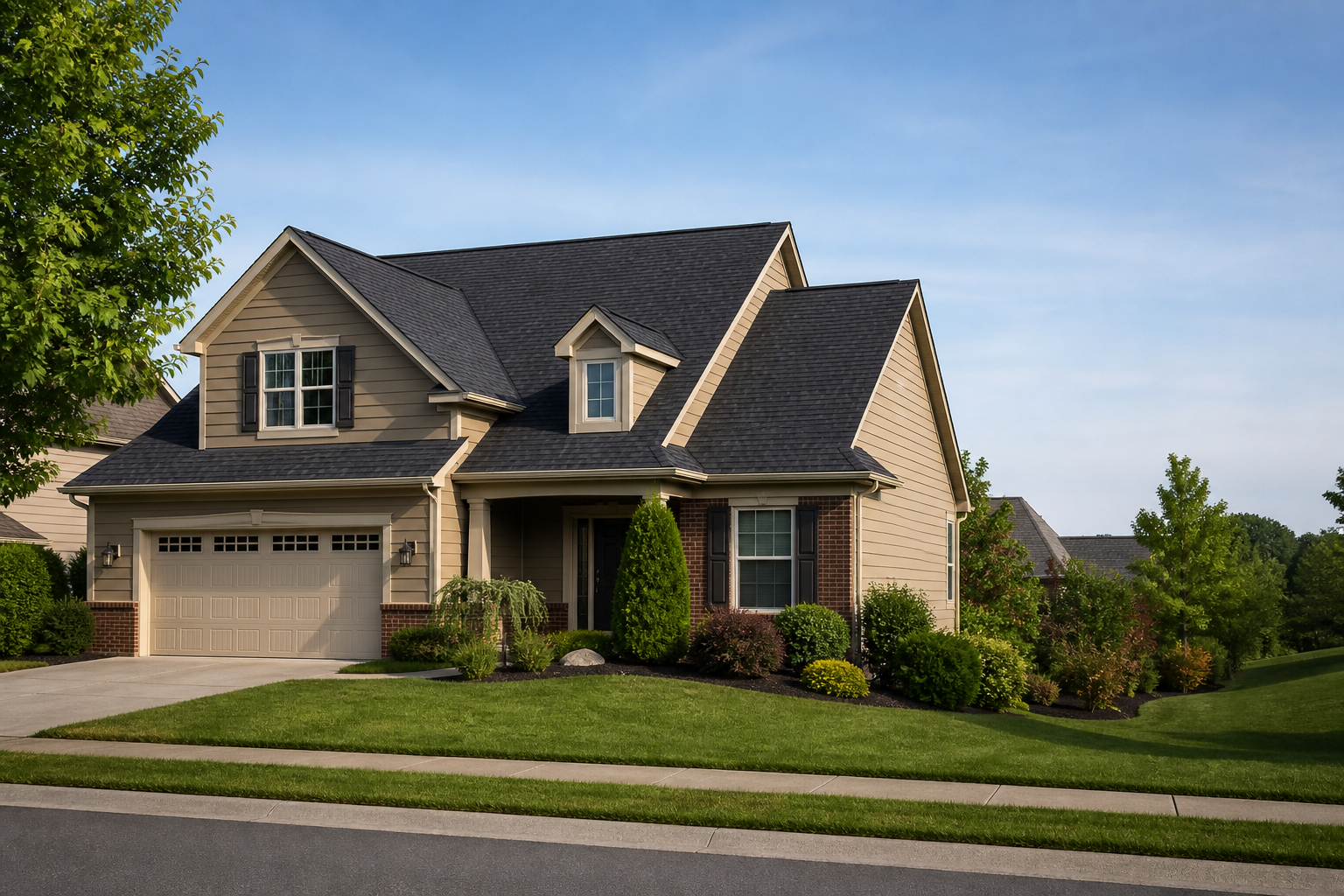
What we find behind old siding
Pulling siding off an older Minot home usually turns up board sheathing with little or no house wrap, and window openings that were never flashed with a sill pan. Vinyl installed decades ago over that assembly kept the rain off but trapped whatever moisture came from inside the wall or from a window that was never properly sealed.
A siding job that skips the wrap and flashing behind the new material is cosmetic. Ours starts with the sheathing: replace anything that has gone soft, wrap the wall, flash every window and door opening, and only then install the new siding on top.
Vinyl, fiber cement, and steel
Vinyl is the common choice for cost and low maintenance, and it holds up fine here when it is installed with the clearances the manufacturer calls for so it can expand and contract through the temperature swings. Fiber cement takes paint better through freeze-thaw and holds its look longer, at a higher install cost. Steel siding is worth considering for anyone tired of hail dents in vinyl, since a properly gauged steel panel shrugs off hail that would crack a lighter product.
We will tell you honestly which one fits the house, the budget, and how much hail exposure the property actually sees, rather than pushing whichever product carries the better margin.
Trim, corners, and the details that fail first
Cornerboards, window casings, and the trim at the bottom of the wall take the brunt of wind-driven rain and blowing snow, and they are where a siding job is won or lost. Every horizontal trim piece needs a drip cap or a kerf cut to shed water, and enough clearance from the ground and the roofline to stay dry.
Kickout flashing where a roof edge meets a wall is the single most commonly skipped detail we see on this kind of house, and it is a major source of the rot we uncover once the old siding comes off.
Wind exposure on open lots
Homes on more open lots around Burlington and Surrey take a steadier wind load than houses tucked into an established block in town, and that changes how we fasten siding panels and how tight we set the reveal. Loose panels on an exposed wall will chatter and eventually pull free in a sustained gust, so we fasten to the manufacturer's high-wind spec on any property without much wind break.
We also check how the siding meets the roof edge on these homes, since step flashing woven into the siding course by course is what keeps wind-driven rain from getting behind the wall at that joint.
Repairs versus a full re-side
Not every house needs a total re-side. A section damaged by hail, a wall that has weathered through on the prevailing wind side, or trim rotted around one window can often be repaired and matched without touching the rest of the house. When the rot runs under the siding on multiple walls, or the material itself is cracked and brittle across the house, the honest recommendation is to do the whole exterior at once.