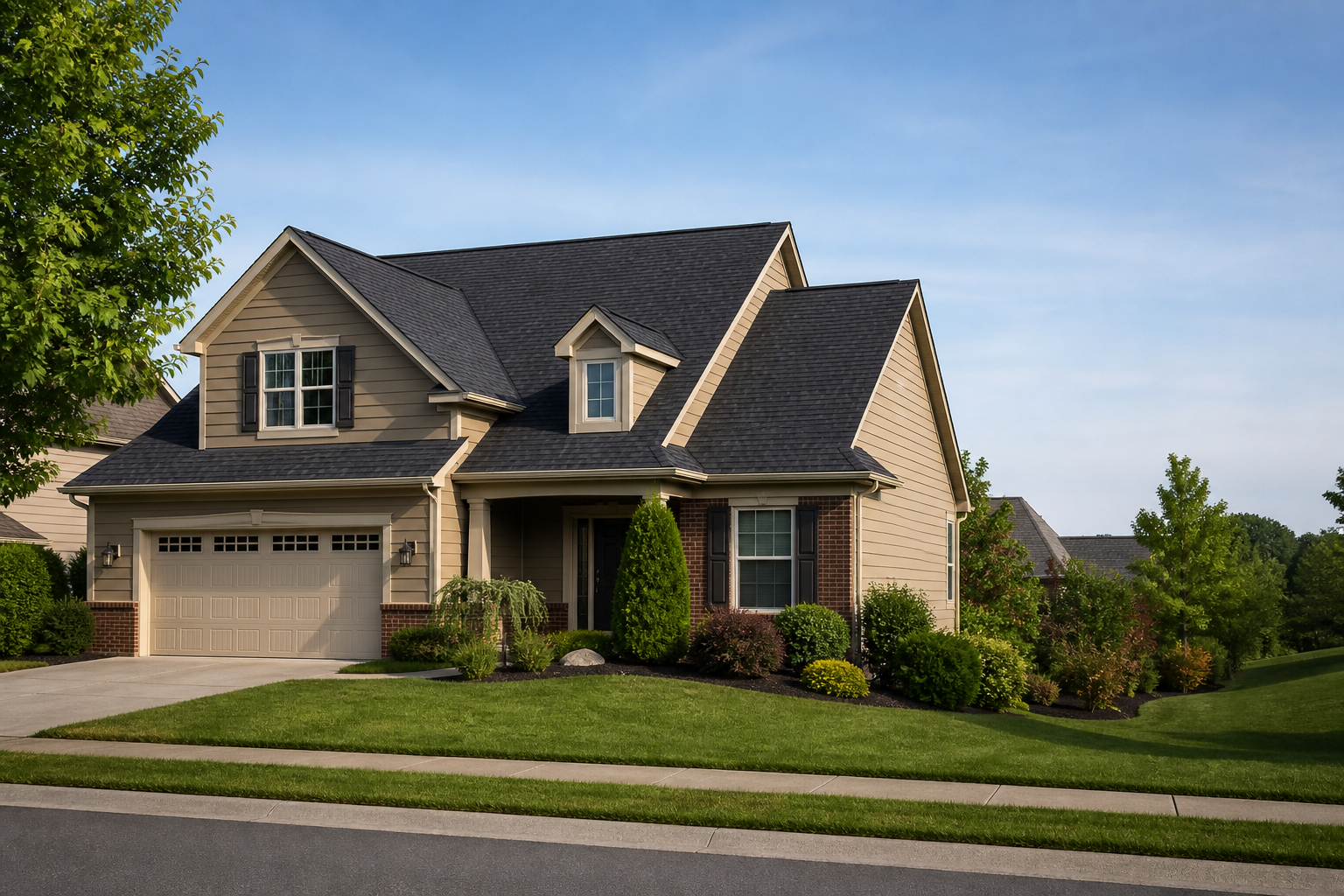
How a dam forms on a Minot roof
Snow sits on the roof, and heat leaking up from the living space through the attic floor melts the underside of that snow blanket on the upper roof. The meltwater runs down under the snow to the eave, which overhangs past the heated house and stays at outdoor temperature, and it refreezes there into a ridge. Meltwater keeps pooling behind that ridge until it rises above the shingle edge and works its way under the shingles onto the deck.
Older homes with shallow attics, minimal insulation, and blocked soffit vents are the classic case, and with the temperature swings this area sees in a normal winter, the cycle can repeat several times between November and March.
Air sealing before insulation
The first fix is stopping heat from getting into the attic in the first place, and that starts with air sealing rather than piling on more insulation. Gaps around the chimney chase, plumbing penetrations, recessed lighting, top plates, and the attic hatch let warm, moving air straight into the attic, and moving air carries far more heat than still air trapped in insulation.
Once the air leaks are sealed, insulation gets brought up to a proper depth across the whole attic floor, with baffles installed at the eaves so the new insulation does not choke off the soffit vents underneath it.
Ventilation that keeps the attic cold
A cold, well-ventilated attic keeps the snow on the roof frozen instead of melting and refreezing at the eave, and that means intake at the soffits and exhaust at the ridge with a clear path of air between the two. We regularly find soffit vents painted shut or blocked by insulation on older Minot houses, and opening those back up is often the single most effective step in the whole job.
Bathroom and kitchen exhaust fans that dump warm, moist air straight into the attic get rerouted through a proper roof or wall cap, since that moisture feeds ice dams and can also lead to frost building up on the underside of the roof deck.
Ice barrier as the backstop
Even a well-sealed and ventilated attic will see some ice buildup in a hard winter, and the self-adhered ice barrier installed under the shingles at the eaves during a roof replacement is what keeps that from turning into an interior leak. We run it further up the slope than code minimum and across every valley and wall intersection, since those are the spots where drifted snow collects longest. This detail can only be added during a tear-off, not retrofitted under existing shingles.
What we do about existing damage
Years of ice dams typically leave rotted fascia, soft soffit, and softened rafter tails behind the gutter line, and fixing the cause without addressing that damage is only half the job. When we take on an ice dam job, we look at that wood while we are up there and repair or replace what has failed, with properly vented soffit going back in as part of the same visit.